A Bridge of Healing: Tebow CURE’s Cleft Nose Service Line
According to Smile Train Philippines, about 5,000 babies are born with a cleft every year in the Philippines. This estimate covers babies born with a cleft lip, cleft palate, or both. Babies born with a cleft suffer from various health risks like feeding and nutrition problems, poor growth, respiratory problems, speech and language difficulties, and many others. One notable effect of a cleft is the visible facial difference that comes with the gap present, especially in the lip. For years, Tebow CURE Children’s Hospital has served thousands of children with clefts and is now expanding to address another cleft-related issue: cleft nasal deformities.
Cleft Nasal Deformity, or Cleft nose, is a common structural change that happens alongside a cleft lip and palate. It causes the cartilage, nostrils, and septum to pull sideways or flatten out of position due to uneven muscle and bone structure. It appears like an asymmetric nose with a wide or flat tip. Some children have normal airflow, but others experience trouble breathing through the nose if the septum is severely crooked, which can also affect their speech.
Rijmar’s Story
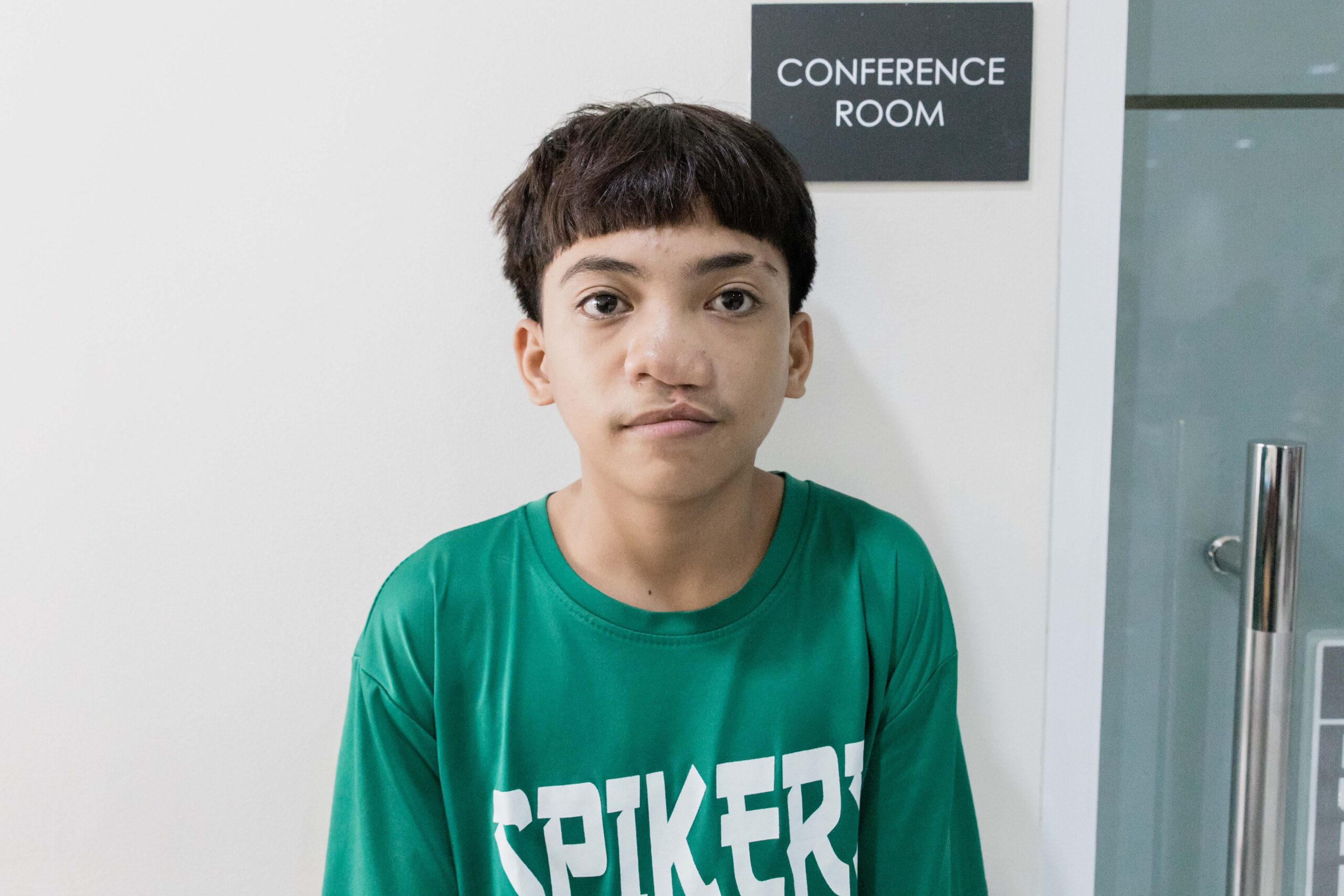
Rijmar, the seventh and youngest child of Letecia, was born with a cleft lip and palate—a condition that left a gap in his upper lip extending to his gums and an opening at the roof of his mouth. “I was shocked when I first saw my son’s condition. I could not recall anyone from my family or my husband’s who was born with a cleft,” Letecia shared.
Like most children with clefts, Rijmar found feeding a struggle. His cleft palate affected his speech as he grew older, making it airy and difficult for others to understand him. “There was a time when he stopped going to school because of the bullying, but we motivated him to continue and asked the teachers to guide him and protect him from the bullies,” said Letecia. Despite their encouragement, the bullying persisted. Rijmar endured constant bullying from his classmates and eventually started fighting back.
Rijmar never had the chance to undergo cleft treatment because the hospitals near them lacked specialists. Living in a remote area of the province, they faced constant threats of violence, where bomb threats and armed conflict were a part of daily life. Thankfully, Tebow CURE conducted a mobile clinic and drove 16 hours to Rijmar’s hometown, where Rijmar, for the first time, was given a chance at healing.
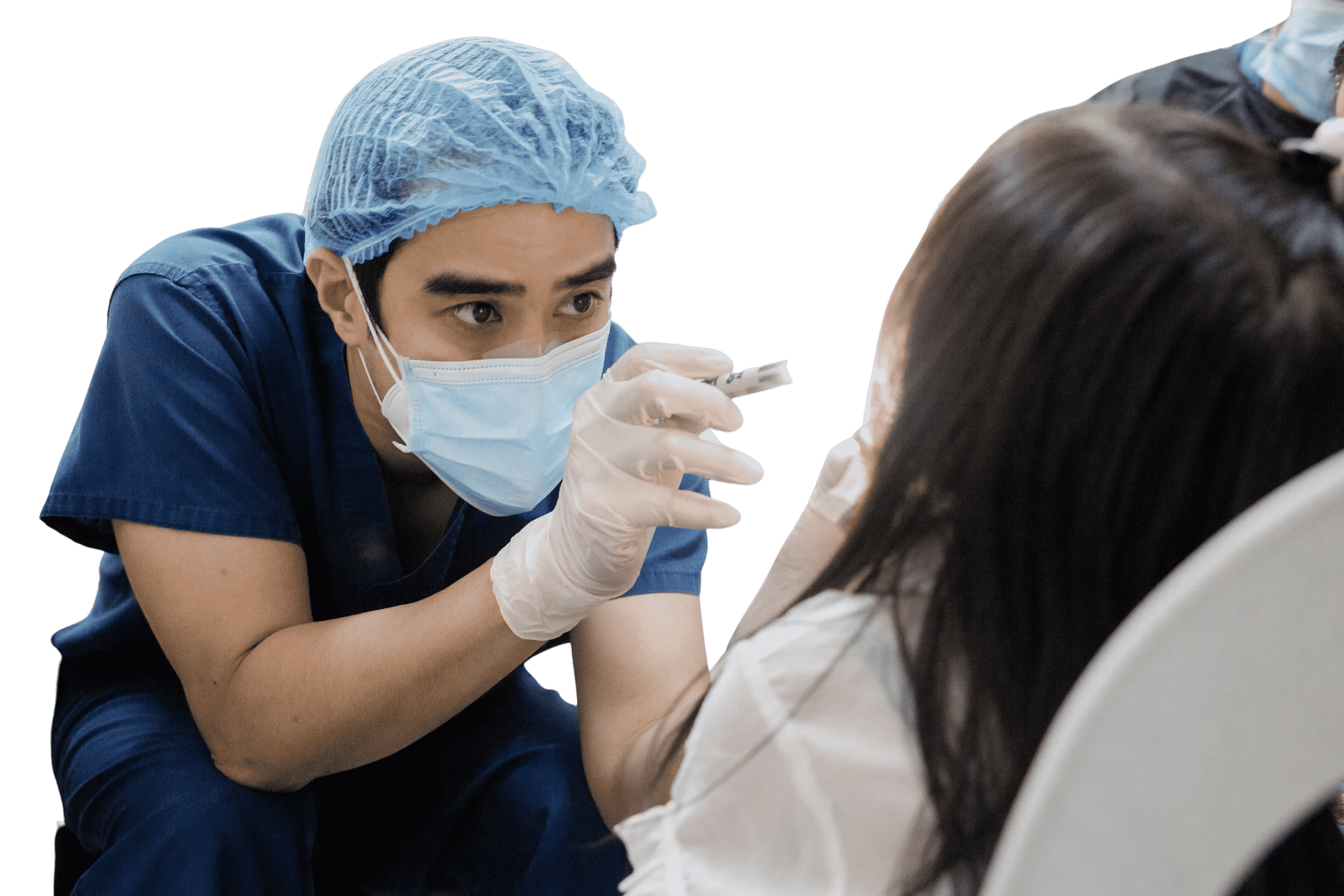
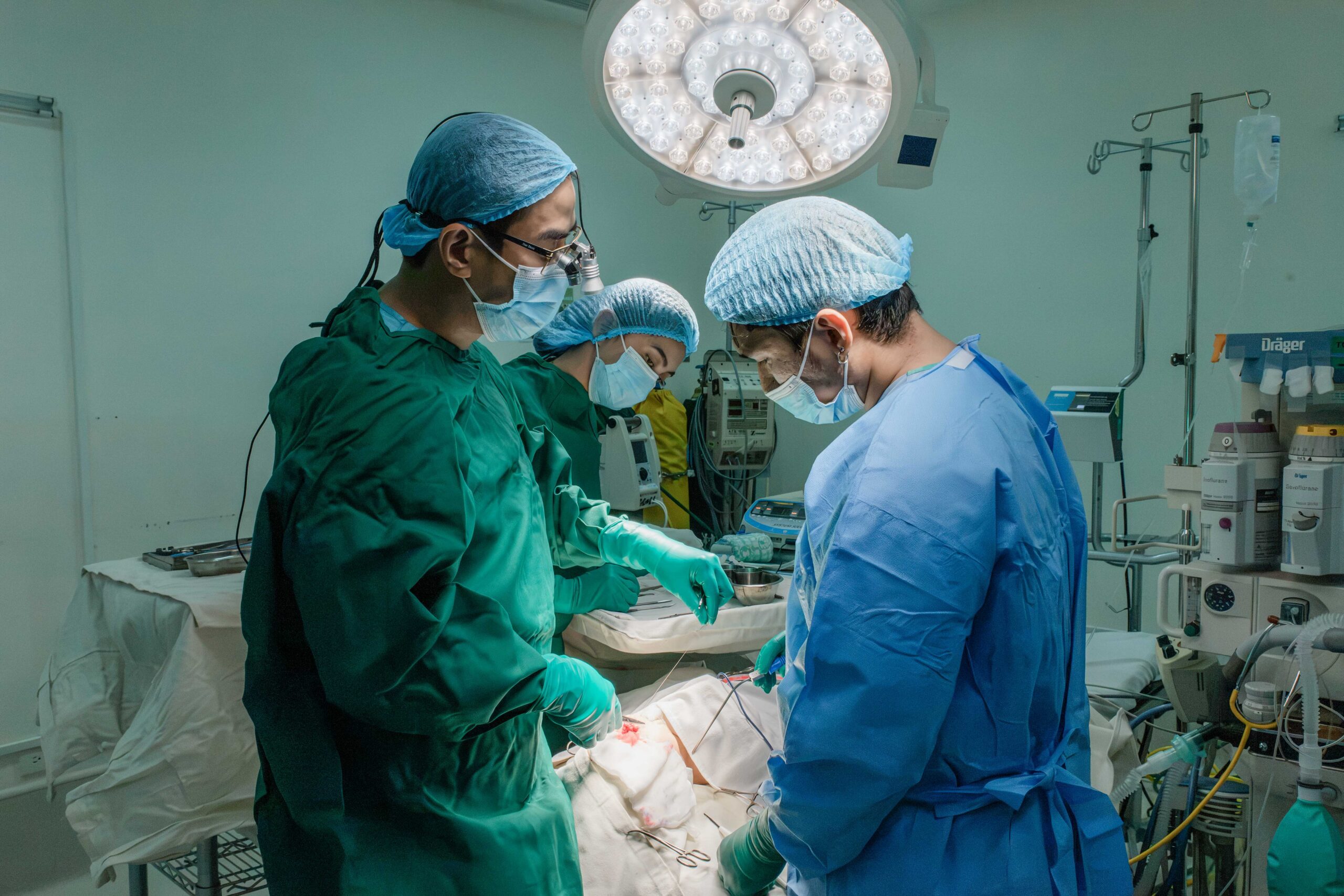
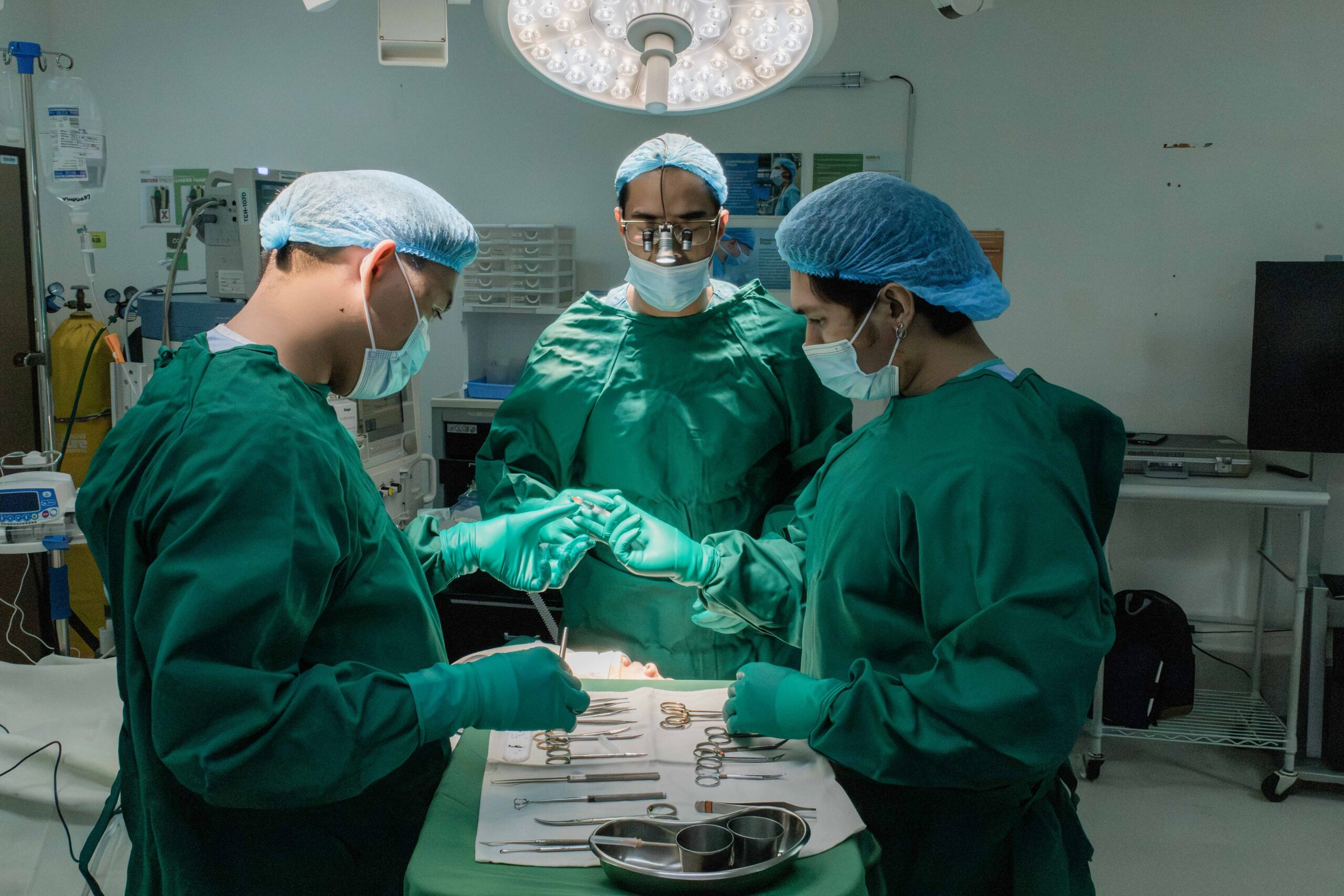
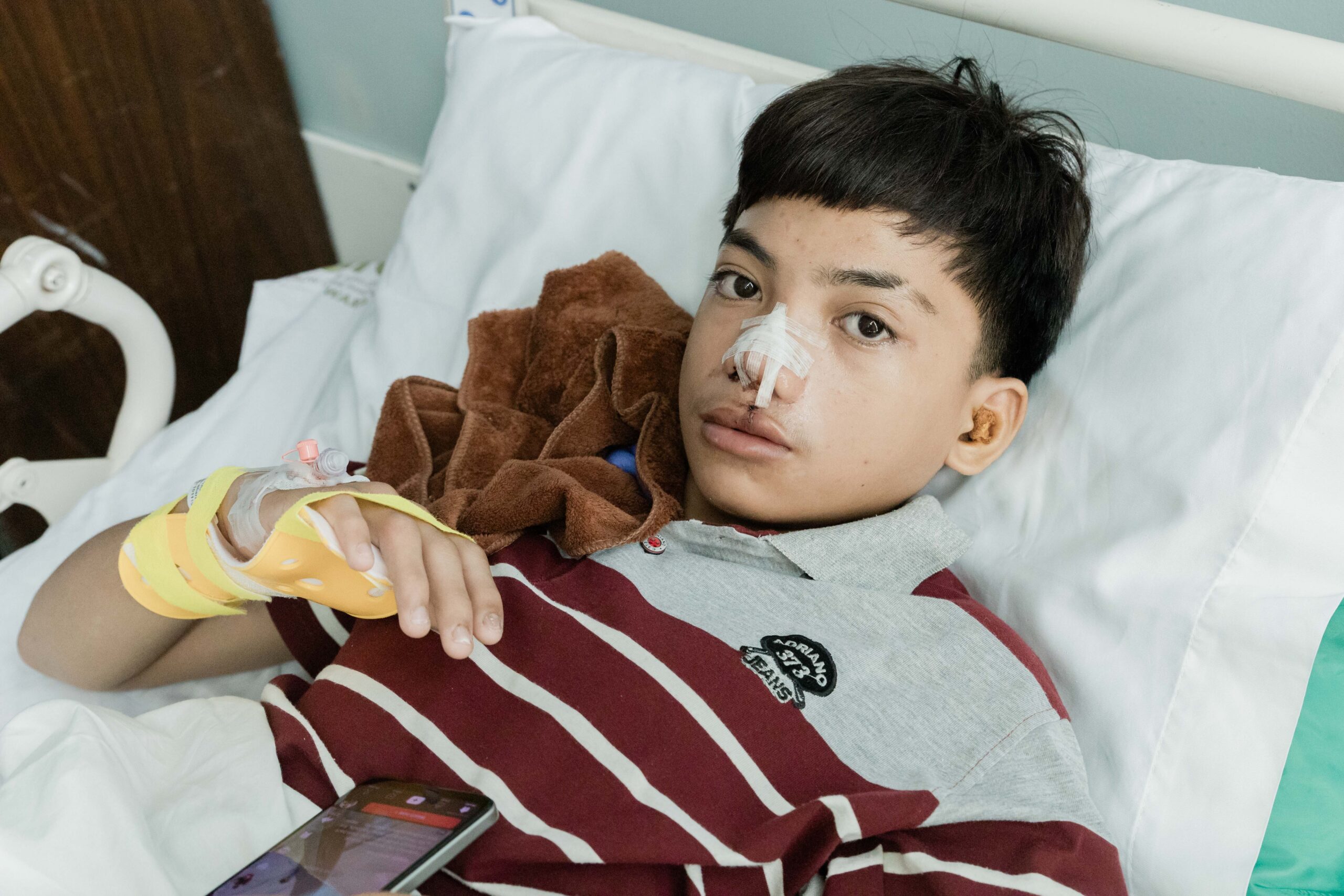
Traveling 16 hours from their hometown to the hospital, Rijmar finally arrived at Tebow CURE in March of 2026. He was seen in the clinic and was easily cleared for cleft lip corrective surgery. Due to the severity of his cleft nose, he was scheduled for cleft nose reconstructive surgery months later. Rijmar required cleft nose reconstruction because the underlying structures of his nose were misaligned, leading not only to visible asymmetry but also to breathing difficulties. The procedure helped improve the shape of his nose and lips and allowed him to breathe properly. Additionally, the cleft nose surgery will greatly help his speech sound less nasal. “I had no idea that even a cleft nose reconstruction surgery would be possible for my son. I thought he would only receive a cleft lip and palate. This treatment is far beyond what I expected, and I am very grateful to Tebow CURE, Smile Train, and the donor,” Letecia expressed.
Offering cleft nose surgery not only improves the quality of care but also helps bridge the gap toward becoming entirely cleft-free. Cleft nose corrective surgery is part of Tebow CURE’s comprehensive cleft care. It will enable children like Rijmar to have the complete healing they need.
The hospital offers this service to children aged 14-18 with a history of cleft or cleft-related cases. “Cleft nose repair is an important part of a child’s comprehensive care journey. It will enable them to speak and breathe properly and will enable the hospital to help more kids heal,” shared Tebow CURE’s executive director, Peter Cowles.
Refer a child with a cleft today for comprehensive care in partnership with Smile Train!